
Tube Extrusion Process Explained: Step by Step
When you think of modern infrastructure, healthcare, and consumer goods, one hidden hero stands behind them all–tube extrusion.
From delivering clean water throughpipe extrusion systems to creating life-saving catheters with medical tube extrusion, this process powers industries we rely on every day.
Whether it’s sturdy pipelines made with hdpe pipe extrusion, flexible devices produced by silicone tube extrusion, or durable hoses from rubber tube extrusion, tube extrusion is everywhere, yet often overlooked.
In this article, we’ll explore why tube extrusion matters and how advanced equipment, like the plastic pipe extrusion machine or pvc pipe extrusion machine, keeps shaping the future of manufacturing.
We’ll also look at innovations in the pipe extrusion line, the precision of the tube extrusion tool, and even how the pipe line calculation formula helps engineers achieve accuracy and efficiency.
Keep reading—you’re about to uncover how this foundational process not only creates products but also drives innovation, efficiency, and sustainability across industries worldwide.
- 1. Why Tube Extrusion Matters
- 2. Raw Material Preparation
- 3. Melting and Feeding
- 4. Shaping Through Extrusion Dies
- 5. Cooling and Sizing
- 6.Applications of Tube Extrusion in Different Industries

Raw Material Preparation
The foundation of a high-quality finished product in tube extrusion is the careful preparation of raw materials.
Whether you’re producing a large hdpe pipe extrusionor a delicate medicaltube extrusion, the process begins long before the material enters the machine.
This step is critical for ensuring consistent quality, preventing defects, and optimizing the overall production line.
The first step is selecting the correct polymer.
The choice of material—be it PVC, HDPE, silicone, or another plastic—dictates the end product’s properties.
For example, silicone tube extrusion requires materials with specific flexibility and biocompatibility, while pvc pipe extrusion machine operations demand a rigid and durable polymer.
Once the material is chosen, proper drying is essential.
Most polymers are hygroscopic, meaning they absorb moisture from the air.
This moisture, if not removed, can turn into steam during the extrusion process, leading to cosmetic defects like bubbles and streaks, and more critically, compromising the structural integrity of the final product.
For this reason, materials used in plastic pipe extrusion and similar processes are typically dried in hoppers or ovens to a specific moisture level.
Next, the raw material is often mixed with various additives.
These additives can include colorants, UV stabilizers, flame retardants, and lubricants.
The precise measurement and thorough mixing of these components are vital.
In a process like rubber tube extrusion, for instance, the addition of specific vulcanizing agents and fillers is crucial for achieving the desired physical properties.
Using a modern plastic pipe extrusion machine with an automated mixing system ensures consistency and accuracy.
Finally, the prepared material is fed into the extruder.
This final step in the preparation process is a simple but important one.
The way the material is fed—whether by a hopper with a specific feed rate or another mechanism—affects the flow and pressure inside the barrel.
A stable feed rate is crucial for maintaining a consistent output in any pipe extrusion line.
Melting and Feeding
The tube extrusion process is a cornerstone of modern manufacturing, used to create a vast array of products from simple pipes to intricate medical devices.
However, the quality of the final product hinges on a crucial, often overlooked first step: raw material preparation.
This stage is vital for ensuring consistency, efficiency, and the desired properties of the extruded material.
The raw material, typically in the form of pellets, powder, or granules, must undergo several preparatory steps.
The first is drying.
Many polymers, especially hygroscopic ones like PVC and nylon, absorb moisture from the air.
If not properly dried, this moisture can turn into steam during the plastic pipe extrusion machine process, leading to defects such as voids, bubbles, or surface blemishes.
A thorough drying process, often done in a desiccant dryer, is non-negotiable for producing high-quality output.
Another critical step is blending.
For specialized applications like medical tube extrusion or hdpe pipe extrusion, different additives are often mixed with the base polymer. These can include colorants, UV stabilizers, flame retardants, or plasticizers.
Precise blending ensures that these additives are uniformly distributed throughout the material, which is essential for achieving consistent product properties, whether it’s a flexible silicone tube extrusion or a rigid rubber tube extrusion.
Furthermore, some applications require the use of a tube extrusion tool that can handle a specific material formulation.
The preparation phase must account for the specific material’s characteristics to ensure a smooth pipe extrusion process.
This includes considerations like melt flow index and thermal stability. In a sophisticated pipe extrusion line, proper material preparation directly impacts the overall productivity and the quality of the final product, preventing issues that might require a complex pipe line calculation formula to troubleshoot later.
Shaping Through Extrusion Dies
After the polymer has been perfectly melted and homogenized, the next critical step in tube extrusion is shaping it into the desired form.
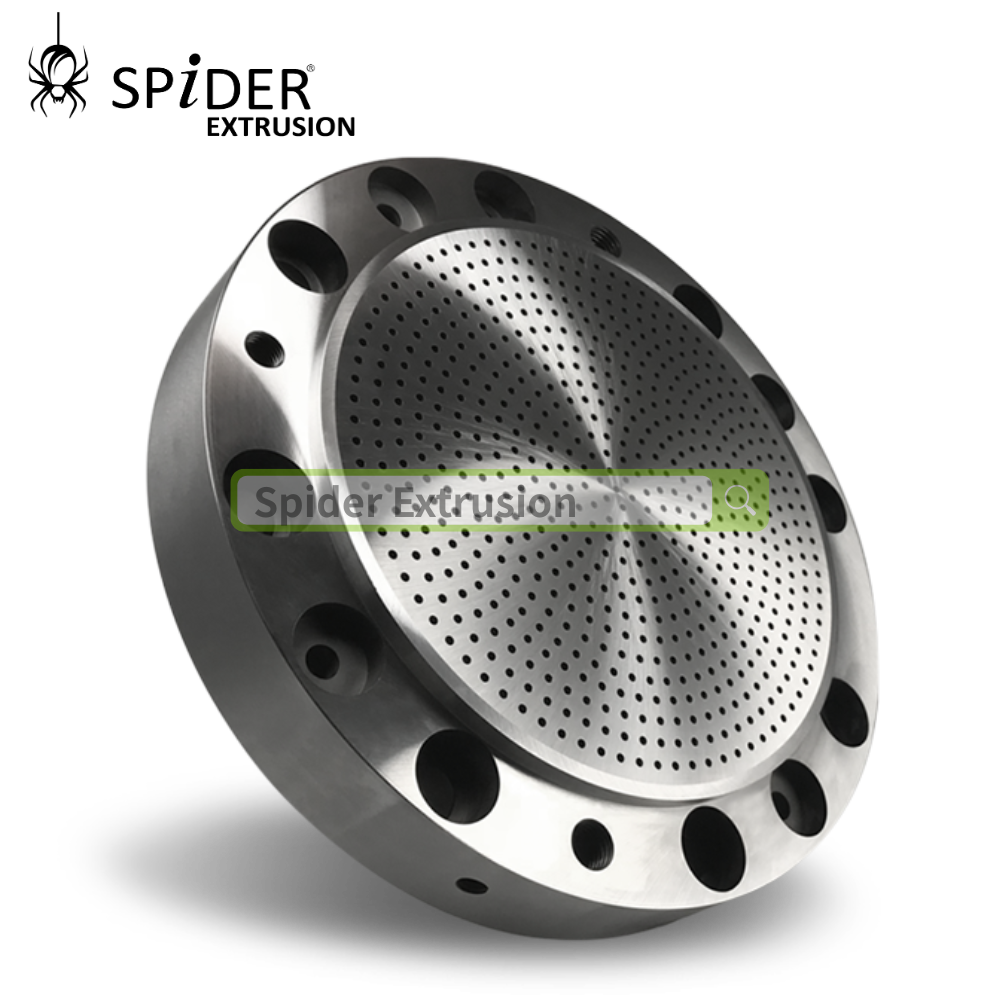
This is the domain of the extrusion die, a precision tubeextrusion toolthat defines the final dimensions and profile of the product.
Extrusion tool is where the art and science of plastic pipe extrusion truly come together.
At SPIDER EXTRUSION, we understand that the die is the most important componen Pipe extrusion in the shaping process.
It receives the molten polymer from the plastic pipe extrusion machine and forces it through a precisely engineered opening.
For products like hdpe pipe extrusion and pvcpipe extrusion machine applications, the die ensures the consistent circular shape and uniform wall thickness.
The design of the die directly impacts product quality, preventing issues like uneven flow, melt fracture, or surface imperfections.
A well-designed extrusion tooling ensures a smooth and continuouspipe extrusion process, which is essential for high-volume production on a modern pipe extrusion line.
The complexity of the die varies greatly with the application.
For simplepipe extrusion, a basic die might suffice.
However, for intricate products like those used in medical tube extrusion, the die is a masterpiece of engineering. It must handle multi-lumen designs and extremely tight tolerances, ensuring the polymer flows smoothly without degradation. Similarly, for silicone tube extrusion and rubber tube extrusion, the die must be specifically designed to handle the unique rheological properties of these materials, which are often highly viscous.
Ultimately, extrusion tooling is the final gateway before the product enters the cooling and calibration stages. Its precision is paramount.
A flawless extrusion tooling design, honed by experience and expertise, ensures that every single piece produced is identical.
This precision is what allows manufacturers to bypass complex diagnostics or the need for a convoluted pipe line calculation formula to fix defects.
At SPIDER EXTRUSION, we believe the perfect die is the key to perfect results.
SPIDER EXTRUSION Supplementary Note: The Draw-Down Ratio (DDR) during tubing extrusion affects the uniformity of tube wall thickness and diameter.
The Draw-Down Ratio (DDR) is a crucial parameter in the plastic extrusion process, describing the degree to which the extruded material is stretched after exiting the die.
This factor influences the dimensions, mechanical properties, and surface quality of the final product.
Cooling and Sizing
After the molten polymer exits the die, the next critical phase in the tube extrusion process begins: cooling and sizing.
This is the stage where the soft, malleable material solidifies into its final shape, and any imprecision here can compromise the entire production run.
SPIDER EXTRUSION understands that this is where a product’s true quality is locked in.
The cooling process typically involves a water bath or spray tank.
The extruded product, still hot and soft, is pulled through this cooling medium.
The speed of the cooling and the temperature of the water are precisely controlled.
Too-rapid cooling can cause internal stress, leading to a brittle product, while too-slow cooling can deform the tube.
For high-density materials like those used in hdpepipe extrusion, the cooling process must be gradual to prevent warping. In contrast, applications like medical tube extrusion require very precise and consistent cooling to maintain tight tolerances.
Simultaneously, sizing is performed.
This is the act of giving the tube or pipe its exact final dimensions.
Sizing can be done using a vacuum sizing tank, which applies a controlled vacuum to pull the soft material against a sizing sleeve or plate. This method is common for plasticpipe extrusion and ensures a perfectly round shape and a consistent wall thickness.
This crucial stage ensures the success of the entirepipe extrusion operation.
It’s a testament to the precision of the plasticpipe extrusion machine and the tube extrusion tool.
A well-calibrated pipe extrusion line, overseen by experts at SPIDER EXTRUSION, ensures that the final product meets all specifications, eliminating the need to resort to a complex pipe line calculation formula Draw-Down Ratio (DDR) to troubleshoot dimensional flaws.
Applications of Tube Extrusion in Different Industries
Look around, and you’ll find the products of tube extrusion everywhere.
This manufacturing process, which turns raw polymer into a continuous, hollow profile, is a foundational technology that serves a surprising number of industries. AtSPIDER EXTRUSION, we’ve helped countless clients leverage this process for both everyday goods and highly specialized products.
One of the most critical applications is medical tube extrusion.
The demand for precision in this sector is unmatched. From catheters to blood collection tubes, these products must have flawless surfaces and exact dimensions to ensure patient safety and device performance.
Our advanced plastic pipe extrusionmachines are built to handle the specialized materials and tight tolerances required, making us a trusted partner in this life-critical industry.
On the other hand, pipe extrusion for infrastructure is all about durability and scale.
HDPE pipe extrusionis a perfect example, creating long-lasting pipes for water distribution and gas lines.
These pipes resist corrosion and are lighter than metal alternatives, making them a more efficient choice for a large-scale pipe extrusion line. A pvc pipe extrusion machine also plays a huge role here, producing the pipes used for residential plumbing and drainage systems worldwide.
The applications don’t stop there. Tube extrusion technology is also behind the hoses in your car and the food-grade tubing in your kitchen appliances.
Silicone tube extrusionand rubbertube extrusionare essential for these uses, providing flexibility, heat resistance, and chemical stability. The right tube extrusion tool is key to achieving the specific properties needed for each application.
With our expertise,SPIDER EXTRUSION ensures that the entire plastic pipe extrusionprocess, from start to finish, is optimized for quality and efficiency, demonstrating that a deep understanding of the process is more valuable than any a pipe line calculation formula.
Other blog posts

What Is a Breaker Plate? Complete Guide for Extrusion Beginners
Breaker plate is a crucial component in the …
SPiDER EXTRUSION Joins HANNOVER MESSE 2025
SPiDER EXTRUSION Representing at HANNOVER MESSE 2025 in Germany ..
Extrusion Mold vs. Extrusion Die : What’s the Difference?
Confused about Extrusion Mold vs. Extrusion Die? Discover how they shape the extrusion plastic process…
Our Products
Quality Extrusion crosshead,Extrusion tooling,Extrusion Accessories
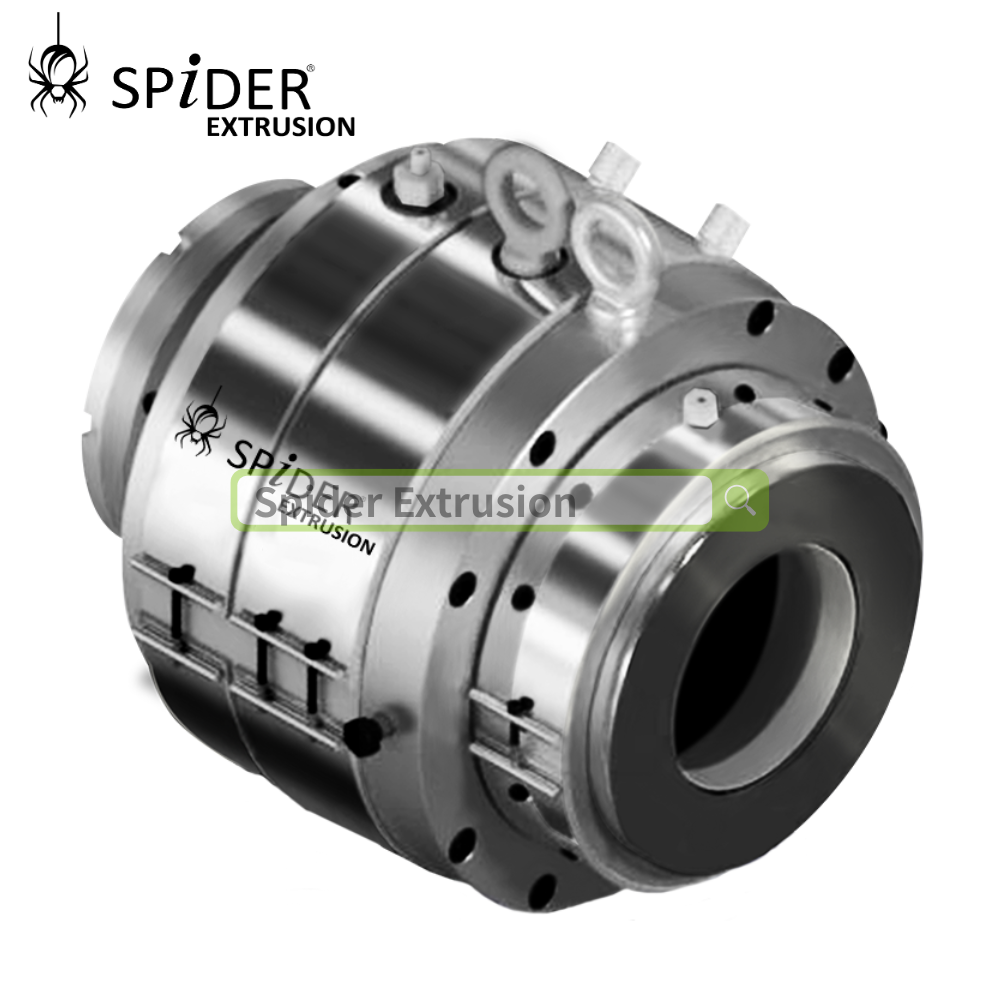
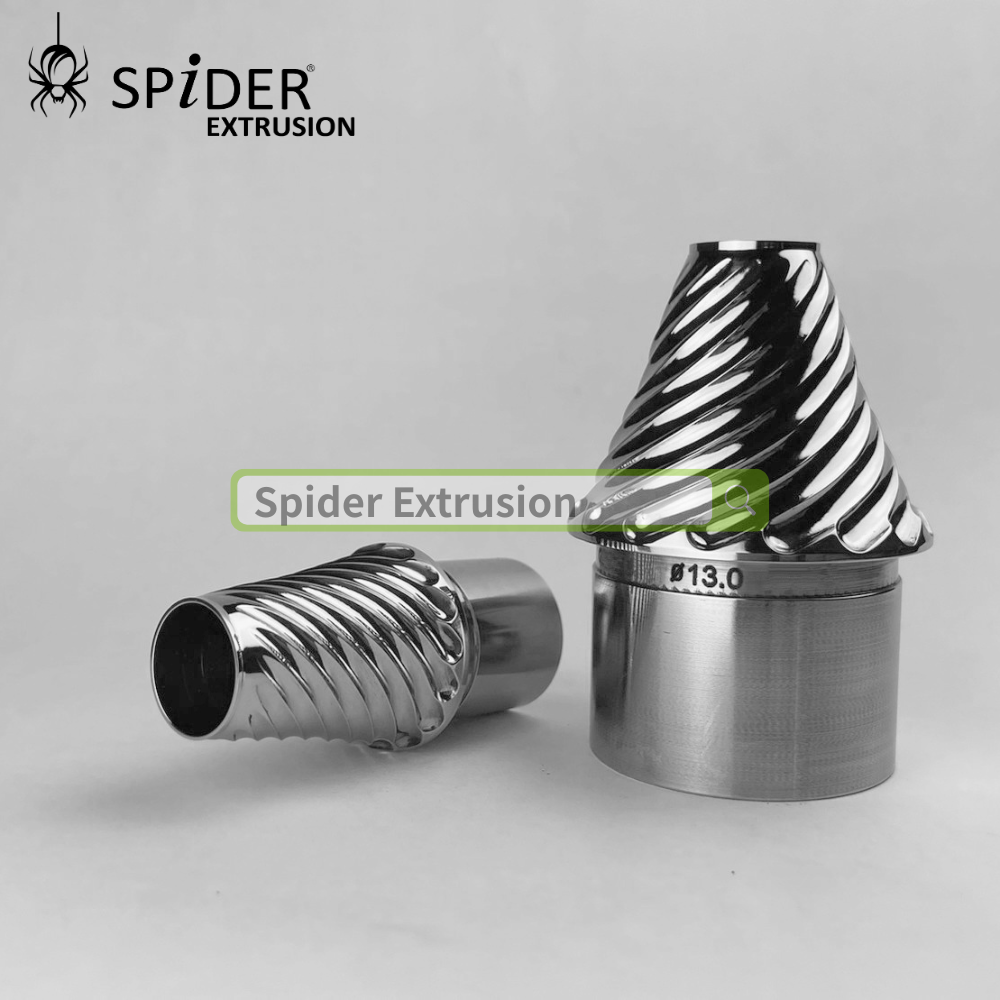
Contact SPiDER EXTRUSION today for custom tube extrusion heads !