
Wire Drawing Dies Lifespan Comparison
Wire drawing dies material
When it comes to wire drawing dies, the right material can make or break your production results.
From small stainless-steel wire factories to high-tech medical wire producers, every application demands a different balance of cost, lifespan, and precision.
The three most common choices—tungsten carbide dies, PCD dies, and nano dies—each serve unique purposes.
But which one is right for your project?
Tungsten carbide dies excel in versatility and affordability, perfect for manufacturers handling frequent size changes or small-batch production.
PCD drawing dies, on the other hand, shine in high-volume operations, where wear resistance and long tool life dramatically cut replacement costs.
Finally, nano dies deliver ultra-smooth surface finishes, combining hardness and toughness to meet the strict demands of sectors like electronics and healthcare.
In this article, we’ll compare these die materials head-to-head, with real-world insights on their strengths and limitations.
Whether your goal is cost reduction, higher efficiency, or better product quality, we’ll help you pinpoint the die that fits your exact needs. Stay tuned–SPIDER EXTRUSION is here to transform complex decisions into clear strategies.
- 1. How to extend Wire drawing dies life
- 2. Wire drawing dies failure analysis
- 3. Comparison of tungsten carbide, PCD and nanowire drawing dies
How to extend Wire drawing dies life
From my experience at SPIDER EXTRUSION, extending die life is not only a technical challenge but also a strategic decision. The material, production scale, and maintenance plan all interact to determine cost efficiency.
Short-run, cost-sensitive projects: Tungsten Carbide is sufficient.
High-volume, continuous runs: PCD ensures consistency and cost savings in the long run.
Ultra-fine precision wires: Nano diamond guarantees surface finish and dimensional stability.
Think of die life as an investment curve: the higher the initial cost (PCD or nano diamond), the lower the long-term cost per meter of wire. Without considering this, many factories fall into the trap of “cheap dies, expensive downtime.”
At SPIDER EXTRUSION, we guide clients to balance upfront cost with lifecycle savings—because extending die life is not only about the die itself, but about ensuring efficiency and profitability across the entire production line.
Wire drawing dies failure analysis
At SPIDER EXTRUSION, I have seen that the majority of die failures can be traced to predictable mechanisms. By understanding them, engineers can make smarter decisions when choosing die materials and optimizing processes.
1. Common Failure Modes
Wear (Abrasion): Continuous wire contact gradually enlarges the die bore, especially in tungsten carbide (WC) dies.
Cracking: PCD dies, though highly wear-resistant, may crack under impact or poor alignment.
Thermal Fatigue: Inadequate lubrication causes overheating, leading to micro-cracks.
Deformation: At high loads, WC dies may plastically deform, shortening tool life.
2. Material Performance
3. Key Solutions
Match die material to production scale: WC for cost-sensitive runs, PCD for large-volume, Nano diamond for precision wires.
Use optimized lubricants to reduce thermal fatigue.
Schedule re-polishing before severe wear occurs.
Summary:
Die failure is not random—it is the result of specific wear or stress mechanisms. By analyzing failures correctly, SPIDER EXTRUSION helps clients extend die life and reduce overall costs.
Comparison of tungsten carbide, PCD and nanowire drawing dies
From my experience at SPIDER EXTRUSION, selecting a die material is not just technical—it’s a strategic investment decision.
WC (Tungsten Carbide): Low upfront cost, but frequent replacements increase long-term expenses.
PCD: Higher initial cost, but with 10–20× the lifespan, it reduces downtime and improves overall efficiency.
Nano Diamond: Premium investment for ultra-fine wire where consistency and quality are non-negotiable.
Think of it as a cost curve: the more durable the die, the lower the cost per meter of wire. Many factories make the mistake of focusing only on purchase price while ignoring lifecycle savings.
Conclusion:
For cost-sensitive runs, WC works. For long runs, PCD wins. For precision, nano diamond is unmatched.
At SPIDER EXTRUSION, we help clients calculate not just costs today, but long-term ROI tomorrow.
Other blog posts
SPiDER EXTRUSION Joins HANNOVER MESSE 2025 for the First Time
SPiDER EXTRUSION Representing at HANNOVER MESSE 2025 …
What Are Extrusion Tools? Complete Guide for Beginners in 2025
extrusion dies is the first step to mastering the art of precise…
Tube Plastic Extrusion Key Technologies, Benefits, and Innovations
Tube Extrusion industry continues to evolve,plastic ….
Our Products
Quality Extrusion crosshead,Extrusion tooling,Extrusion Accessories
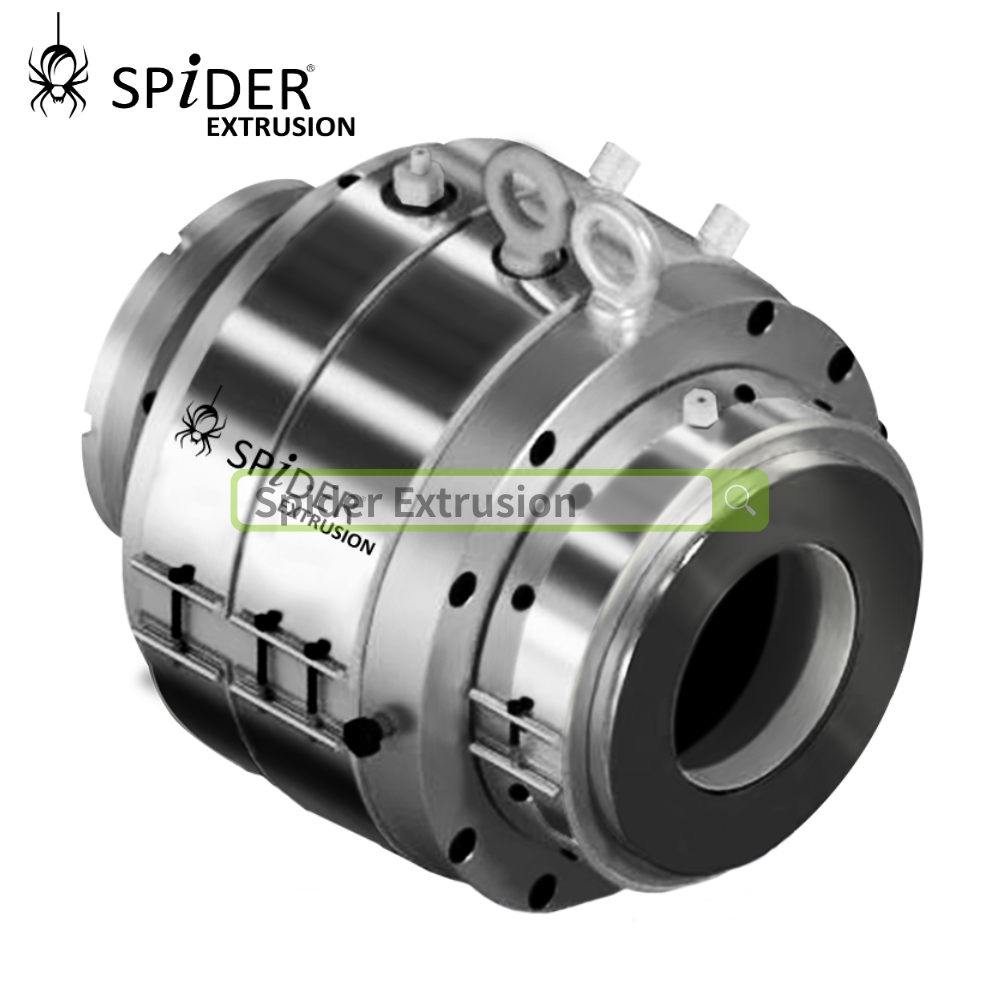
Contact SPiDER EXTRUSION today for custom tube extrusion heads !